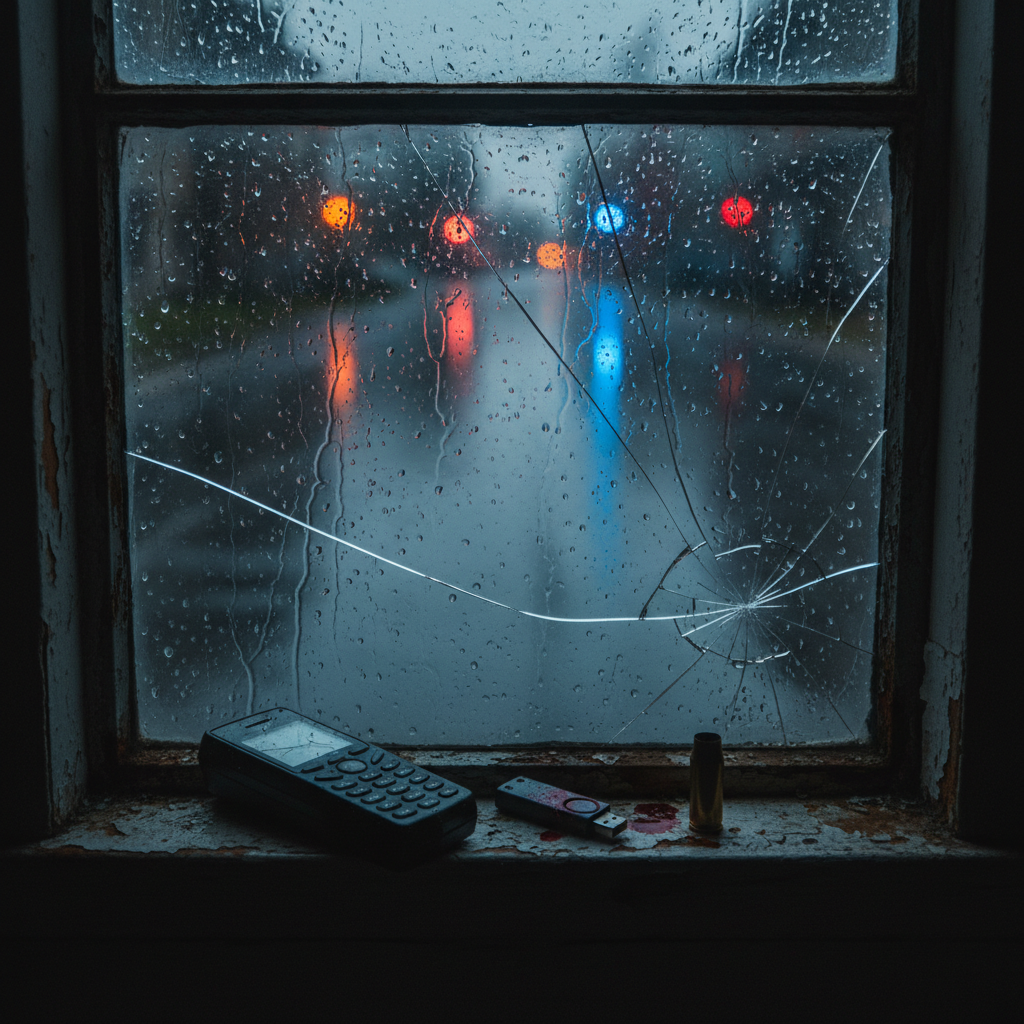
A rain-streaked safe house window dominates the frame, its cracked glass and rusted metal frame lit by the eerie blue wash of distant police lights and passing headlights. On the inner ledge lies an abandoned burner phone, a blood-specked encrypted USB drive, and a single spent shell casing, all rendered in hyper-detailed cinematic realism. Outside, the city is a smeared palette of wet asphalt and ghostly reflections. Dramatic, low-key lighting from a desk lamp behind the viewer creates a subtle rim glow on each object, leaving the rest of the room in blackness. Captured from a tight, eye-level composition, the image feels like the aftermath of violence, heavy with dread and unanswered questions.

About Author

Step inside the shadowed world behind The Dragon File and the mind that imagined it all.

Author

Quentin Grant’s creator blends real-world intelligence research with pulse-pounding storytelling, drawing on years of studying covert operations to craft a grounded, emotionally charged spy thriller universe centered on loss, loyalty, and dangerous secrets.
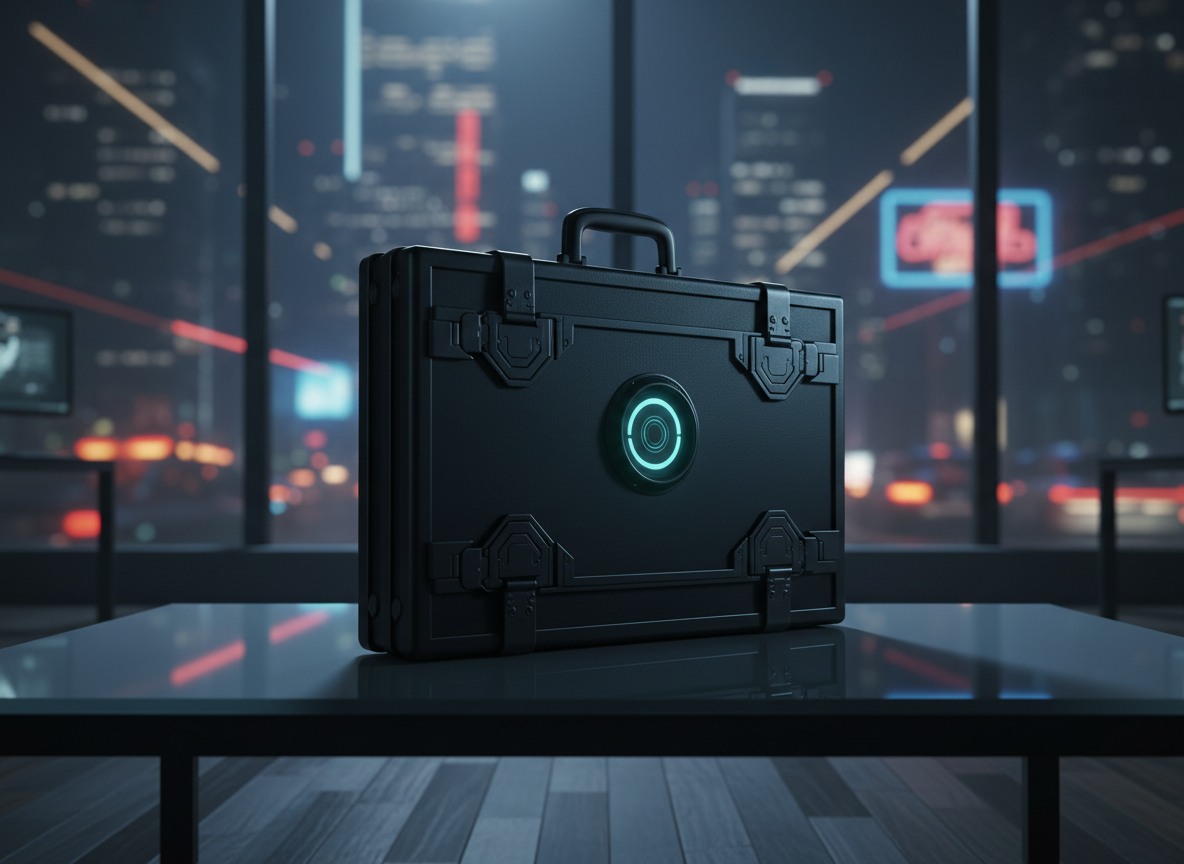
A slim, matte-black encrypted briefcase with intricate locking mechanisms and faintly glowing biometric scanner sits alone on a sleek, glass-topped table in a dark, high-rise office. Beyond the floor-to-ceiling windows, a sprawling city at night burns with blurred neon and distant sirens, rendered in soft bokeh. Cold moonlight and scattered computer monitor glow carve sharp highlights along the briefcase’s edges, casting long, ominous shadows. Shot in cinematic realism from a low, three-quarter angle, the composition draws the eye directly to the briefcase as the forbidden secret. The atmosphere is tense, hushed, and dangerous, evoking a high-stakes spy thriller world without revealing any human presence.

Dispatches

Explore behind-the-scenes briefings, craft notes, and classified story development.